NATIVELAND
Case-study and proof of work for NATIVELAND music festival (2016 - 2019)
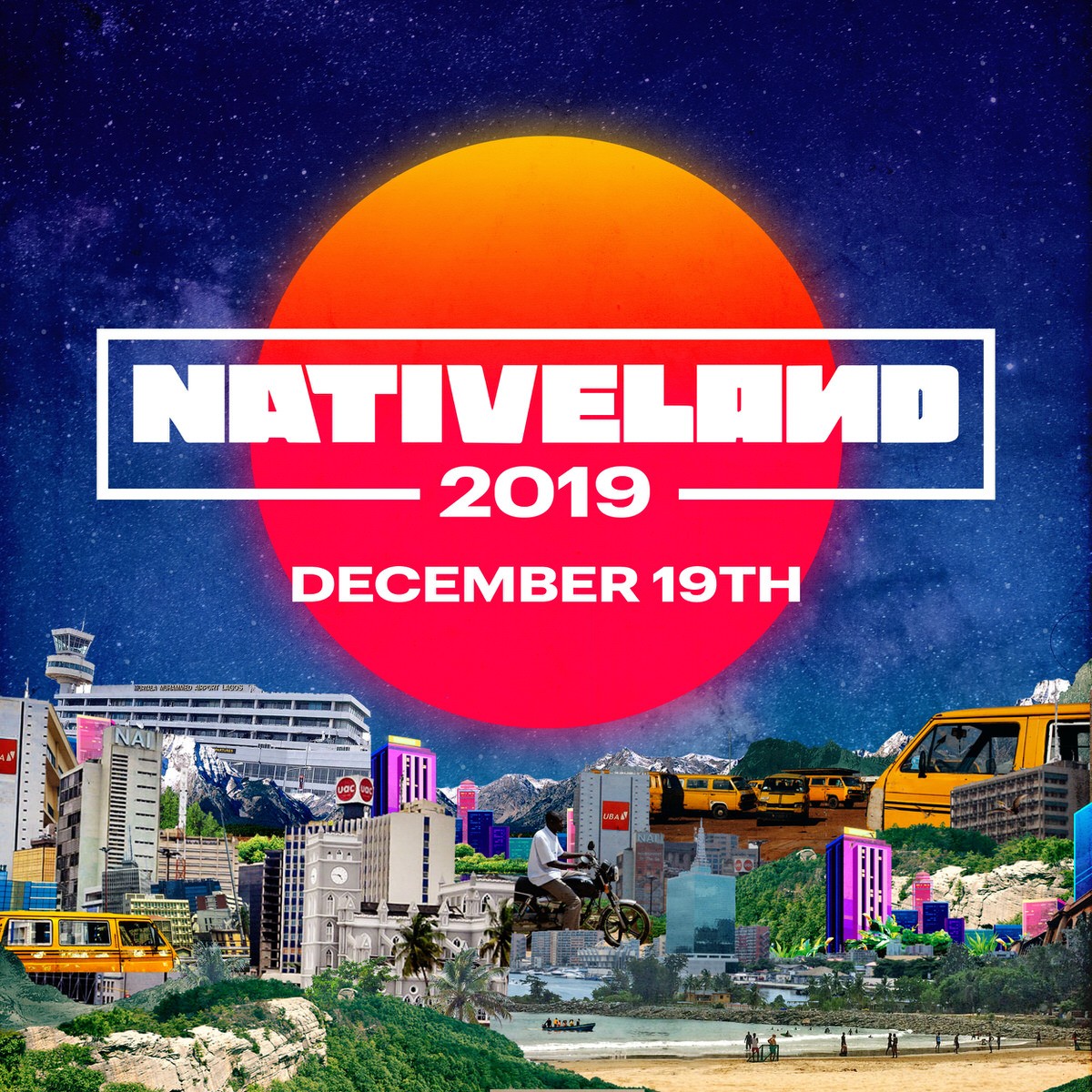
© Toye Sokunbi
Role: Project Marketing Lead, Content Marketing Strategist
Editions: 2016, 2017, 2018, 2019
NATIVELAND is an accompanying music festival for THE NATIVE magazine, a Lagos to London afro-urban publication aimed at black Gen-Z audiences around the world. During my 4 year run at the helm of the company's operations, the festival held annually in December. This case study is a proof of work and results for the content and media marketing strategies used to drive ticket sales.
The Problem
For many years, youth culture in Africa for young millennials and Gen-Ziers, did not have a singular unifying voice in media or event-based communities. At the turn of the 2010s, internet culture and increased synergy with the global black diaspora led to the emergence of the "Alté" subculture led by 90s-born DIY-creators who'd basically grown up on the internet. The internet had been steadily blurring the lines between African popular culture and its diaspora, since first generation West African internet artists like Wizkid and Davido broke into the UK via club mixes in the early 2010s. By mid-decade, alté provocateurs like Santi, Tay Iwar and Amaarae who blend dream-pop synth music with the nostalgia of traditionally black sounds ranging from R&B to hip-hop and Afropop, had already built the 'alté' sub-genre — replete with its own punkish lifestyle and fashion code — off the back of mainstream Afropop's global momentum. Documenting this niche sub-culture for global audiences was the mission for The NATIVE brand.
Objectives
NATIVELAND as an accompanying music festival to The NATIVE Magazine, was designed to galvanise audiences (ages 14 - 35) gained through content marketing at an annual offline event with their favourite artists, street wear brands and other people they share community with. The deliverable metrics for success at every NATIVELAND included:
Minimum of 2000 in festival ticket sales
Media visibility and press mentions for acts on festival line-up
Post-event coverage by traditional and digital media
The Process
Scope: Brand Management, Project Management, Creative Director, Content Marketing, Omnichannel Strategy, Event Planning, Event Marketing and Budgeting, Media Buying, Proposal / Pitchdeck Design, Agile Methodology
Tools: Google Analytics, Facebook Ad Manager, Twitter Media Studio, Mailchimp, Press Releases, Spreadsheets
For four editions of NATIVELAND, I was responsible for mapping a strategy that encompassed pre and post event content marketing. This included:
Designing an omnichannel media strategy
Establishing relationships with media partners
Collaborating with leadership team and stakeholders to pitch for corporate partnerships
Announcing activity and event line-up
Creative direction for visual and marketing assets for the festival
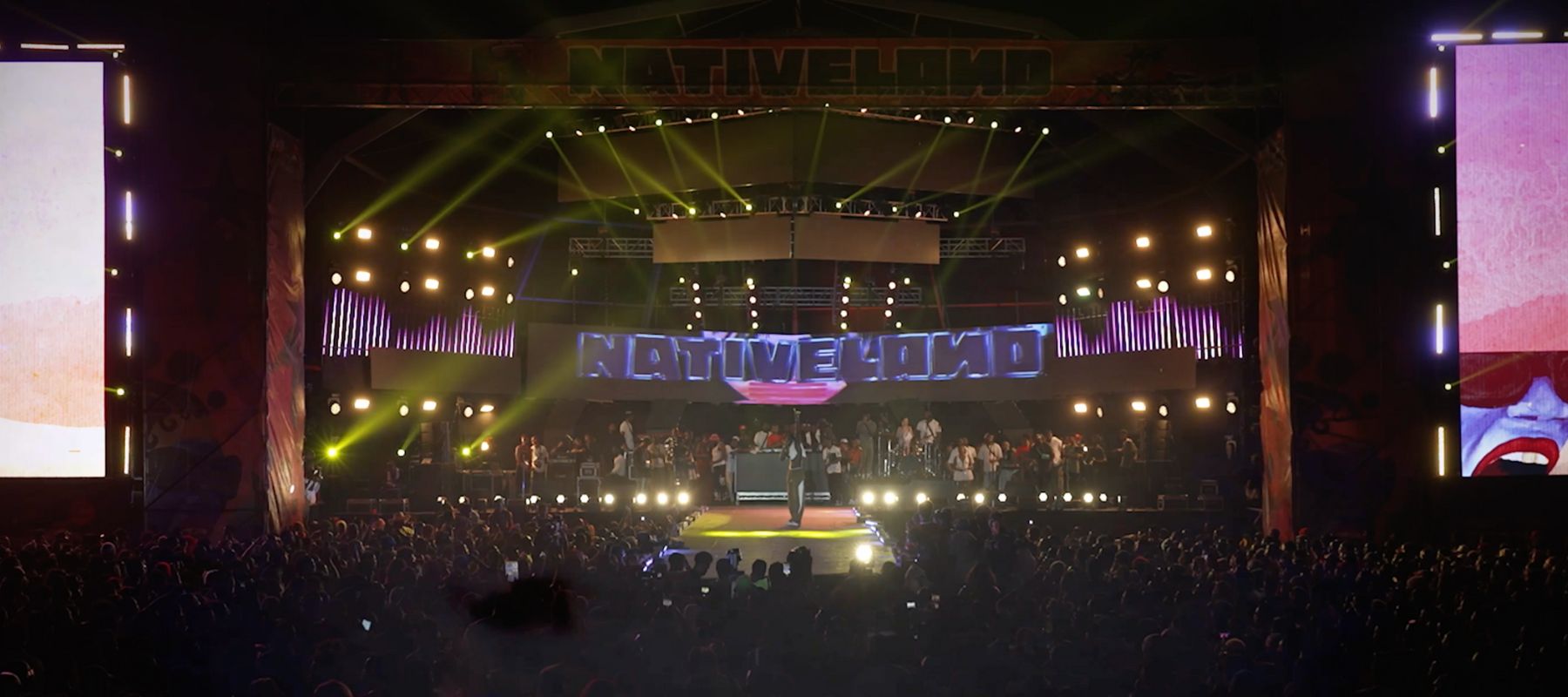
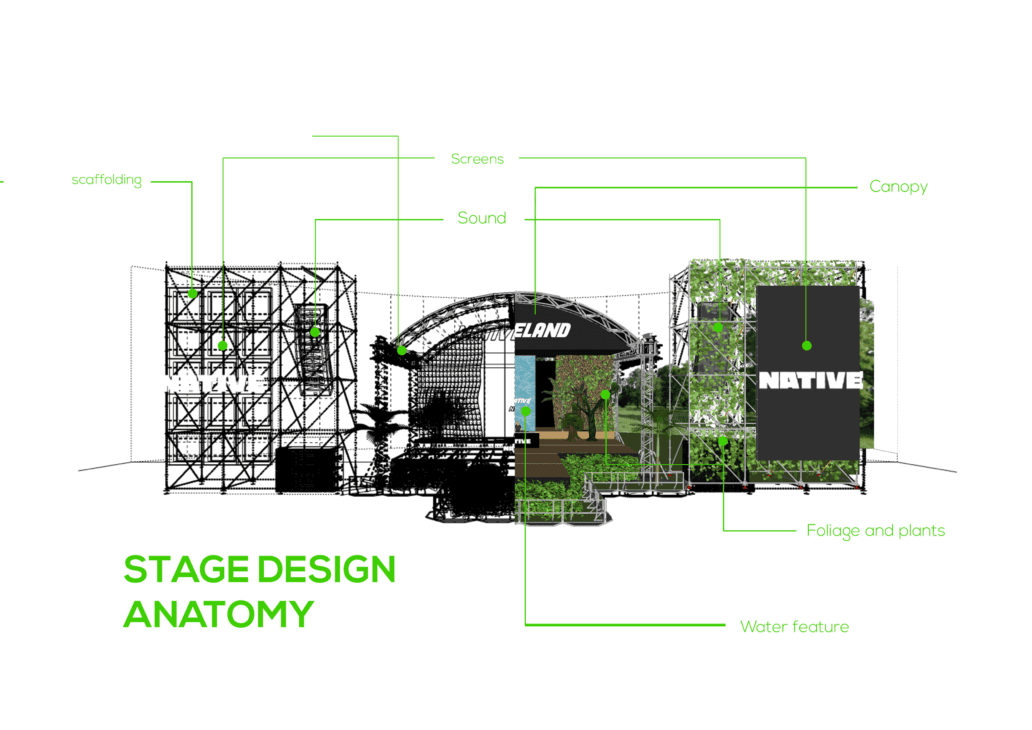
Collaborating with leadership team and stakeholders on stage and lightning production design and strategy
Collaborating with production team to vet vendors for food and merchandise sales
Managing guest-list for VIPs, talent crew and security personnel
Overseeing and tracking marketing results through ticket sales
Managing post-event press and reputation management
Project Management
Project management for NATIVELAND was done through an iteration of the SCRUM variation of the Agile methodology of project management. Though represented on a spreadsheet, an ideal annual cycle for the production of NATIVELAND involves two main teams
Project Leadership: This includes, the founders of NATIVELAND and me as a product owner and scrum master
Production / Execution Team: This includes freelancers, contractors, and production crews that execute on the theme and vision for each edition of NATIVELAND
Execution Methodology
Using SCRUM principles, execution for each edition of NATIVELAND will take the following shape:
Market research, audience feedback from previous editions and existing competing concerts is used to create product backlog of to-do lists to implement.
This to-do list extrapolated to create a priority list of the most executable strategies, which forms the basis for a sprint planning meeting
A standard sprint for NATIVELAND usually begins 8 weeks before the event week
Once dates are finalised, daily sprints are held with the sales team, production teams and contractor leads to track progress on each sub-teams to-do and to tackle arising issues and roadblocks.
Post-event sprint reviews and sprint retrospectives are subsequently used to plan for the next edition of the festival
Results
Total Tickets Sold: Over 10,000 across 4 editions
Digital Impressions: Over 1b across social media
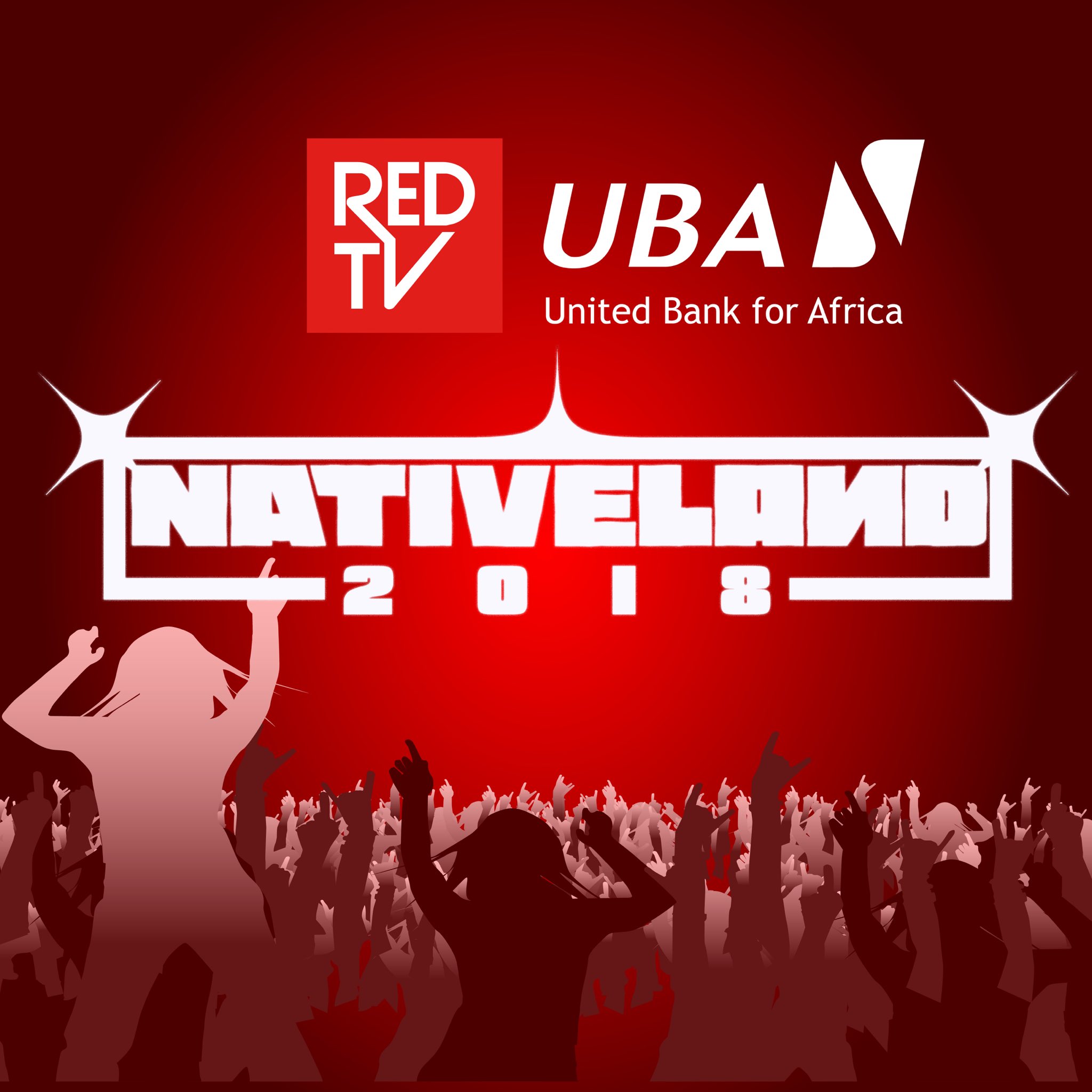
Corporate Partnerships: Over 100 corporate sponsorships secured including Pepsi, NIKE, Apple Music, United Bank for Africa and more
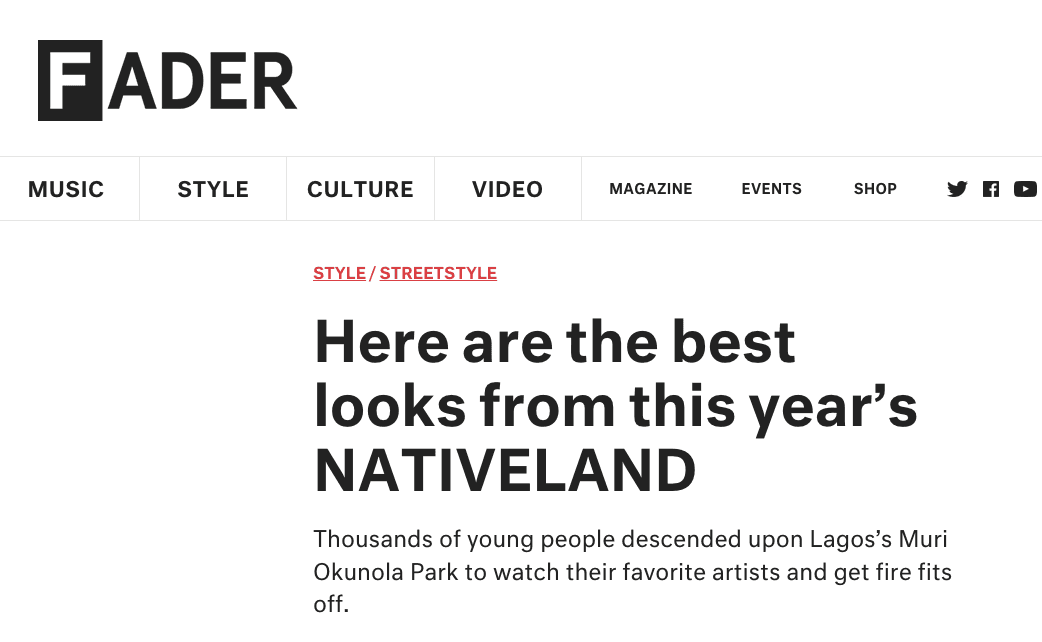
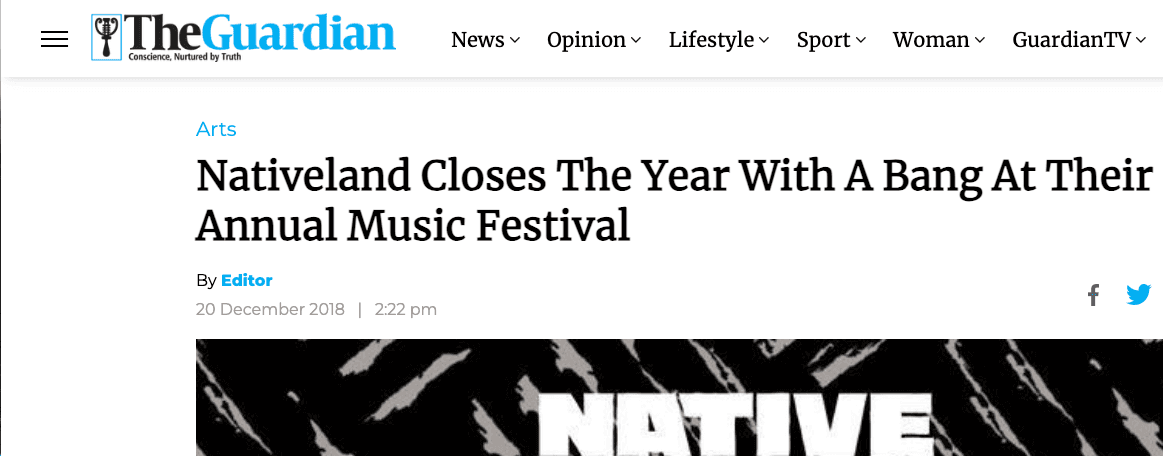
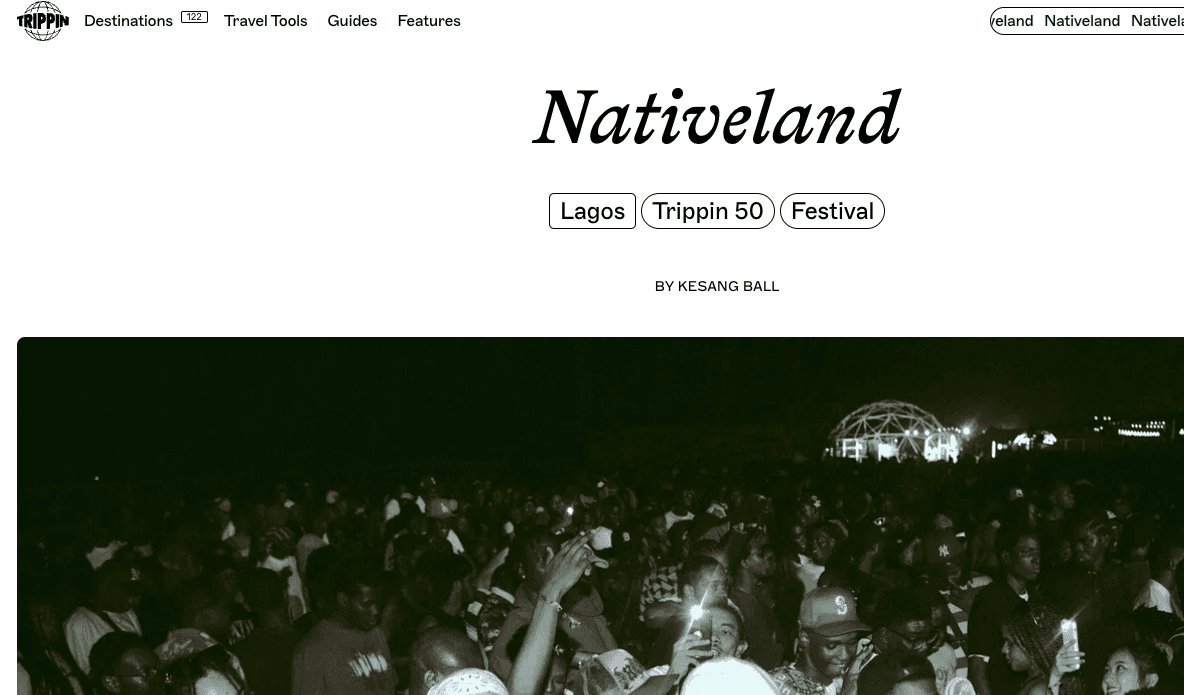
Press Mentions: Coverage by local and international media
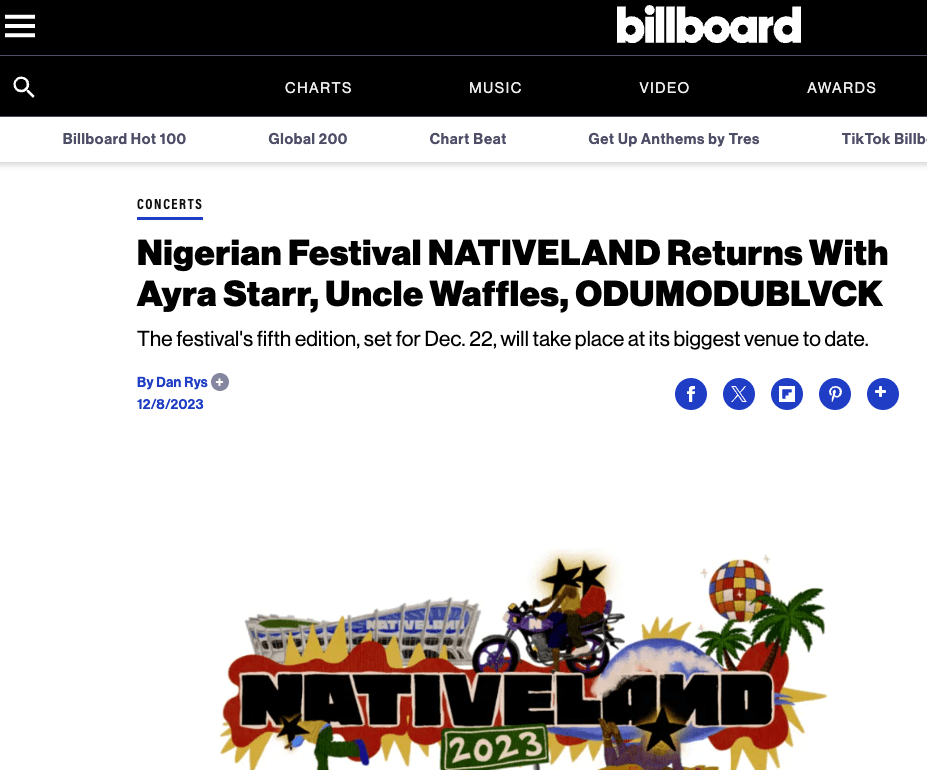
END OF CASE STUDY
NATIVELAND
Case-study and proof of work for NATIVELAND music festival (2016 - 2019)
© Toye Sokunbi
Role: Project Marketing Lead, Content Marketing Strategist
Editions: 2016, 2017, 2018, 2019
NATIVELAND is an accompanying music festival for THE NATIVE magazine, a Lagos to London afro-urban publication aimed at black Gen-Z audiences around the world. During my 4 year run at the helm of the company's operations, the festival held annually in December. This case study is a proof of work and results for the content and media marketing strategies used to drive ticket sales.
The Problem
For many years, youth culture in Africa for young millennials and Gen-Ziers, did not have a singular unifying voice in media or event-based communities. At the turn of the 2010s, internet culture and increased synergy with the global black diaspora led to the emergence of the "Alté" subculture led by 90s-born DIY-creators who'd basically grown up on the internet. The internet had been steadily blurring the lines between African popular culture and its diaspora, since first generation West African internet artists like Wizkid and Davido broke into the UK via club mixes in the early 2010s. By mid-decade, alté provocateurs like Santi, Tay Iwar and Amaarae who blend dream-pop synth music with the nostalgia of traditionally black sounds ranging from R&B to hip-hop and Afropop, had already built the 'alté' sub-genre — replete with its own punkish lifestyle and fashion code — off the back of mainstream Afropop's global momentum. Documenting this niche sub-culture for global audiences was the mission for The NATIVE brand.
Objectives
NATIVELAND as an accompanying music festival to The NATIVE Magazine, was designed to galvanise audiences (ages 14 - 35) gained through content marketing at an annual offline event with their favourite artists, street wear brands and other people they share community with. The deliverable metrics for success at every NATIVELAND included:
Minimum of 2000 in festival ticket sales
Media visibility and press mentions for acts on festival line-up
Post-event coverage by traditional and digital media
The Process
Scope: Brand Management, Project Management, Creative Director, Content Marketing, Omnichannel Strategy, Event Planning, Event Marketing and Budgeting, Media Buying, Proposal / Pitchdeck Design, Agile Methodology
Tools: Google Analytics, Facebook Ad Manager, Twitter Media Studio, Mailchimp, Press Releases, Spreadsheets
For four editions of NATIVELAND, I was responsible for mapping a strategy that encompassed pre and post event content marketing. This included:
Designing an omnichannel media strategy
Establishing relationships with media partners
Collaborating with leadership team and stakeholders to pitch for corporate partnerships
Announcing activity and event line-up
Creative direction for visual and marketing assets for the festival
Collaborating with leadership team and stakeholders on stage and lightning production design and strategy
Collaborating with production team to vet vendors for food and merchandise sales
Managing guest-list for VIPs, talent crew and security personnel
Overseeing and tracking marketing results through ticket sales
Managing post-event press and reputation management
Project Management
Project management for NATIVELAND was done through an iteration of the SCRUM variation of the Agile methodology of project management. Though represented on a spreadsheet, an ideal annual cycle for the production of NATIVELAND involves two main teams
Project Leadership: This includes, the founders of NATIVELAND and me as a product owner and scrum master
Production / Execution Team: This includes freelancers, contractors, and production crews that execute on the theme and vision for each edition of NATIVELAND
Execution Methodology
Using SCRUM principles, execution for each edition of NATIVELAND will take the following shape:
Market research, audience feedback from previous editions and existing competing concerts is used to create product backlog of to-do lists to implement.
This to-do list extrapolated to create a priority list of the most executable strategies, which forms the basis for a sprint planning meeting
A standard sprint for NATIVELAND usually begins 8 weeks before the event week
Once dates are finalised, daily sprints are held with the sales team, production teams and contractor leads to track progress on each sub-teams to-do and to tackle arising issues and roadblocks.
Post-event sprint reviews and sprint retrospectives are subsequently used to plan for the next edition of the festival
Results
Total Tickets Sold: Over 10,000 across 4 editions
Digital Impressions: Over 1b across social media
Corporate Partnerships: Over 100 corporate sponsorships secured including Pepsi, NIKE, Apple Music, United Bank for Africa and more
Press Mentions: Coverage by local and international media
END OF CASE STUDY
NATIVELAND
Case-study and proof of work for NATIVELAND music festival (2016 - 2019)
© Toye Sokunbi
Role: Project Marketing Lead, Content Marketing Strategist
Editions: 2016, 2017, 2018, 2019
NATIVELAND is an accompanying music festival for THE NATIVE magazine, a Lagos to London afro-urban publication aimed at black Gen-Z audiences around the world. During my 4 year run at the helm of the company's operations, the festival held annually in December. This case study is a proof of work and results for the content and media marketing strategies used to drive ticket sales.
The Problem
For many years, youth culture in Africa for young millennials and Gen-Ziers, did not have a singular unifying voice in media or event-based communities. At the turn of the 2010s, internet culture and increased synergy with the global black diaspora led to the emergence of the "Alté" subculture led by 90s-born DIY-creators who'd basically grown up on the internet. The internet had been steadily blurring the lines between African popular culture and its diaspora, since first generation West African internet artists like Wizkid and Davido broke into the UK via club mixes in the early 2010s. By mid-decade, alté provocateurs like Santi, Tay Iwar and Amaarae who blend dream-pop synth music with the nostalgia of traditionally black sounds ranging from R&B to hip-hop and Afropop, had already built the 'alté' sub-genre — replete with its own punkish lifestyle and fashion code — off the back of mainstream Afropop's global momentum. Documenting this niche sub-culture for global audiences was the mission for The NATIVE brand.
Objectives
NATIVELAND as an accompanying music festival to The NATIVE Magazine, was designed to galvanise audiences (ages 14 - 35) gained through content marketing at an annual offline event with their favourite artists, street wear brands and other people they share community with. The deliverable metrics for success at every NATIVELAND included:
Minimum of 2000 in festival ticket sales
Media visibility and press mentions for acts on festival line-up
Post-event coverage by traditional and digital media
The Process
Scope: Brand Management, Project Management, Creative Director, Content Marketing, Omnichannel Strategy, Event Planning, Event Marketing and Budgeting, Media Buying, Proposal / Pitchdeck Design, Agile Methodology
Tools: Google Analytics, Facebook Ad Manager, Twitter Media Studio, Mailchimp, Press Releases, Spreadsheets
For four editions of NATIVELAND, I was responsible for mapping a strategy that encompassed pre and post event content marketing. This included:
Designing an omnichannel media strategy
Establishing relationships with media partners
Collaborating with leadership team and stakeholders to pitch for corporate partnerships
Announcing activity and event line-up
Creative direction for visual and marketing assets for the festival
Collaborating with leadership team and stakeholders on stage and lightning production design and strategy
Collaborating with production team to vet vendors for food and merchandise sales
Managing guest-list for VIPs, talent crew and security personnel
Overseeing and tracking marketing results through ticket sales
Managing post-event press and reputation management
Project Management
Project management for NATIVELAND was done through an iteration of the SCRUM variation of the Agile methodology of project management. Though represented on a spreadsheet, an ideal annual cycle for the production of NATIVELAND involves two main teams
Project Leadership: This includes, the founders of NATIVELAND and me as a product owner and scrum master
Production / Execution Team: This includes freelancers, contractors, and production crews that execute on the theme and vision for each edition of NATIVELAND
Execution Methodology
Using SCRUM principles, execution for each edition of NATIVELAND will take the following shape:
Market research, audience feedback from previous editions and existing competing concerts is used to create product backlog of to-do lists to implement.
This to-do list extrapolated to create a priority list of the most executable strategies, which forms the basis for a sprint planning meeting
A standard sprint for NATIVELAND usually begins 8 weeks before the event week
Once dates are finalised, daily sprints are held with the sales team, production teams and contractor leads to track progress on each sub-teams to-do and to tackle arising issues and roadblocks.
Post-event sprint reviews and sprint retrospectives are subsequently used to plan for the next edition of the festival
Results
Total Tickets Sold: Over 10,000 across 4 editions
Digital Impressions: Over 1b across social media
Corporate Partnerships: Over 100 corporate sponsorships secured including Pepsi, NIKE, Apple Music, United Bank for Africa and more
Press Mentions: Coverage by local and international media